

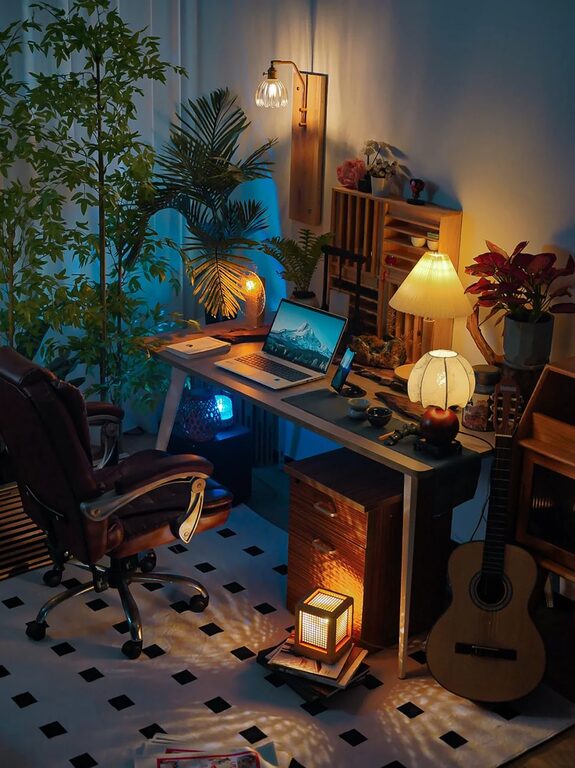
Creating a cozy and functional home office space is a great way to enhance your work-from-home experience. Whether you’re working remotely full-time or need a dedicated spot for occasional tasks, a well-designed home office can improve focus, comfort, and productivity. Here are some helpful tips to design an inspiring workspace that suits your needs.
Choose the Right Location
Finding the ideal spot for your home office is the first step. Consider these factors when selecting a location:
– Natural light: Position your desk near a window to benefit from natural light, which can boost mood and alertness.
– Quietness: Pick a space away from household noise and distractions.
– Space availability: Make sure there’s enough room for your desk, chair, and any equipment you need.
– Privacy: If possible, choose a space where you can close the door or minimize interruptions.
Invest in Ergonomic Furniture
Comfort is key when designing a functional home office. Your furniture choices can make a big difference in how you feel throughout the workday.
– Desk: Select a desk with enough surface area for your computer, paperwork, and other essentials. Adjustable height desks are great for alternating between sitting and standing.
– Chair: Choose an ergonomic chair with lumbar support to keep your back healthy and reduce fatigue.
– Accessories: Consider footrests, monitor stands, and keyboard trays to maintain good posture.
Optimize Lighting
Good lighting reduces eye strain and creates a pleasant working atmosphere.
– Layered lighting: Use a combination of ambient (general room lighting), task lighting (desk lamp), and accent lighting to brighten your workspace.
– Adjustable lamps: Desk lamps with adjustable brightness and positioning help focus light exactly where you need it.
– Avoid glare: Position screens and light sources to reduce glare on your monitor.
Personalize Your Space
Adding personality makes your workspace inviting and can keep motivation high.
– Colors: Choose colors that make you feel calm or energized. Soft blues and greens are relaxing, while yellows can inspire creativity.
– Decor: Include artwork, plants, or meaningful objects that bring joy.
– Textiles: A soft rug, cushions, or curtains can add warmth and texture.
Keep Your Workspace Organized
Clutter can distract and stress you out. Keeping your office tidy helps maintain focus.
– Storage solutions: Use shelves, filing cabinets, or storage boxes to organize documents and supplies.
– Cable management: Use clips or cable sleeves to keep cords neat and prevent tangles.
– Daily tidying: Spend a few minutes each day clearing your desk to stay on top of clutter.
Equip Your Office with Essential Technology
Having the right technology setup is vital for seamless work.
– Reliable internet: Ensure your workspace has strong Wi-Fi or wired internet access.
– Quality peripherals: Invest in a good keyboard, mouse, and headset or speakers.
– Multiple monitors: If your work involves multitasking or detailed tasks, consider adding extra screens.
– Charging stations: Keep devices charged with smart, accessible charging solutions.
Create Zones for Different Activities
If your space allows, designate areas for various tasks:
– Work zone: For focused computer and paperwork.
– Meeting zone: A comfortable chair or small couch for video calls or discussions.
– Creative zone: Space for brainstorming, sketching, or stretching.
Having different zones helps switch gears and supports different types of work.
Incorporate Plants for Air and Ambiance
Plants not only add beauty but can improve air quality and reduce stress.
– Choose easy-care plants like pothos, snake plants, or succulents.
– Place them on your desk, shelves, or windowsill to add greenery.
– Be mindful of lighting and watering needs.
Set Boundaries to Separate Work and Life
Maintaining a work-life balance when working at home can be challenging.
– Use room dividers or curtains if your office is in a shared space.
– Define work hours and communicate them with family or housemates.
– Avoid working in spaces meant for relaxation, like the bed or couch.
Final Thoughts
Designing a cozy and functional home office is about balancing comfort, efficiency, and personalization. By thoughtfully selecting your location, furniture, lighting, and accessories, you can create a workspace that supports both productivity and well-being. Remember, your home office should work for you—don’t hesitate to adjust and improve it as your needs evolve. Happy working!